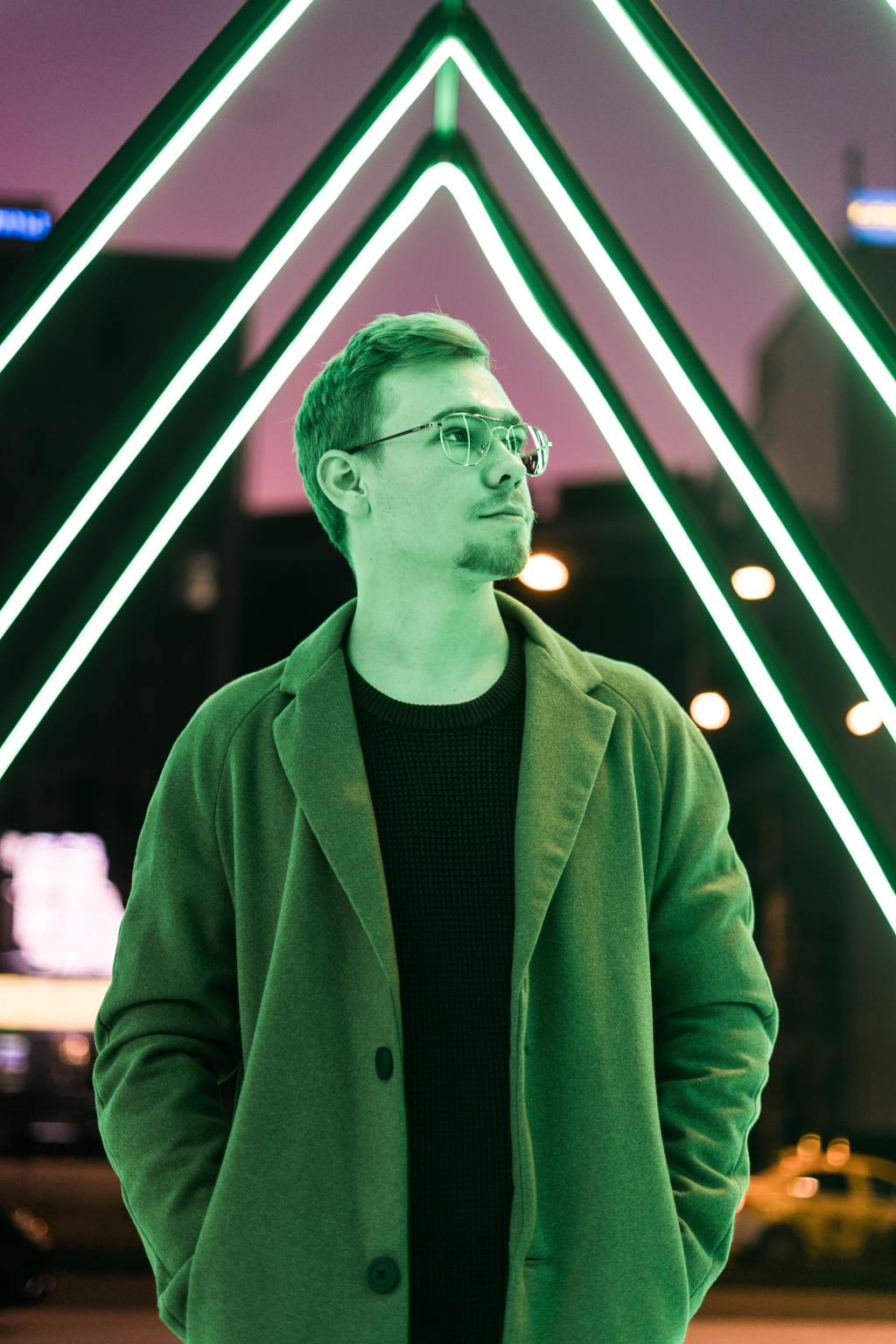
Inspired by real facts.
Imagine a society where time has replaced money. Time would be the new worldwide currency. Every day you get 1440 minutes that you must spend and cannot put aside. Some people use between 35% and 25% of their time for physiological needs such as sleeping, eating. Laws are set to make it compulsory the usage of certain hours for collective work, in return for which you receive time to be spent on leisure activities during specific time slots (weekends, holidays).
The more you give time, the more you are rewarded. For example, loyalty programs are set up by entertainment companies and the more time you give to play, consult available products, share with your friends, the more bonuses you receive to reach new VIP leisure activities.
In this society where time is the monetary exchange value, everyone wants to optimize their time resources, spending as little time as possible on transportation, meals and leisure activities that do not bring extra time bonuses. Everything is done to optimize someone’s time and combine two activities at the same time: eating and having fun with a screen, moving around and listening to a distracting program, or moving around and talking or writing at the same moment.
Some people refuse to use their time in the conventional way and rather prefer to use their time for travelling. People give them time by following their leisure activities: vlogs, travel tips, etc.
Others prefer to keep time for themselves rather than giving it to a private or public company. They decide to live a lifestyle outside the rules of society. People give them time to know the promising solutions to optimize time they pretend to have discovered.
Some prefer not to try to take the time of others and choose a minimalist life, giving their time to a certain privileged group of living organism: friends, family, animals, nature, plants.
A new way of spending time is emerging with new technologies that allow people to exchange real time for virtual time and live in a connected world where they can have fun, play, build, challenge with each other. In this virtual world, time has another value since it can be accelerated or slowed down. Indeed, the time value of a 24-hour day can be multiplied tenfold by 3 days in the virtual world or, conversely, a real 24-hour day can be worth half a virtual day.
In this society where time is the monetary value of global exchange, everyone can choose a lifestyle according to the rules pre-established by law. For instance, if you break the law, your time can be taken away and you can be forced to spend it in a place of detention. Or in the event of a pandemic caused by a virus, you may follow time restrictions allowing only limited period of time for small daily journeys.
Some people question the legitimacy of this global time currency. While some find answers in the natural principles, notably the movement of the sun and the stars, others believe that time is an exchange value that ensures social order and that the exchange of time between individuals must therefore be controlled. Still others seek an explanation in themselves, through body, hormonal and respiratory cycles. Science has not found an explanation for time, it makes hypotheses related to thermodynamics for instance. So science fiction through films tries to explain it as with TIME OUT by director Andrew Niccol: in a world where time has replaced money, genetically modified men no longer age after 25 years. From this age on, you have to gain time to stay alive.
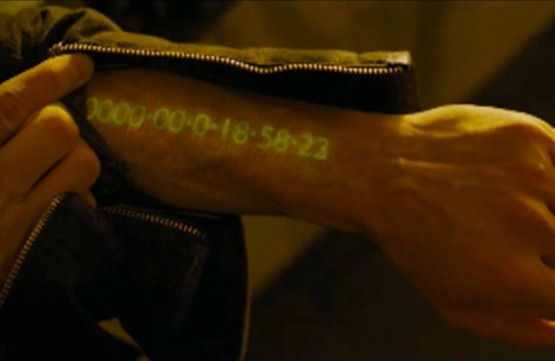
Time is the exchange value of this world where it has replaced money. The time resource is Universal and Coordinated (UTC time). It is the same for everyone, instituted by atomic clocks kept by time masters, ensuring the uniformity and artificial flow of time supporting the entire world economy. Each individual is subjected to this artificial time by a watch on the wrist or recalled by digital clocks displayed everywhere in the places where he travels or lives.
Some people question the value of universal time as a currency of exchange. They would like other temporal currencies to co-exist, such as natural time, personal time and even free time.
No one can escape time in a society where time is the global exchange value. And you, how would you use your time in a society like this?


 Daniel Presles