12:30pm.
Ana hadn’t looked up from her book since she put down the phone to call her boss and tell him she couldn’t come to work today. She had thought about sleeping a little and then she took the book on the table in the living room.
Since then, time had stood still. Or rather accelerated. She hadn’t seen the morning go by. She looked at the clock again, it was now 12:31pm. The acceleration of time is therefore to perceive that time passes quickly because one is absorbed in a task, she thought. To perceive that time passes quickly is to pay less attention to the clock and to be concentrated on what you are doing.
Ana understood. It was therefore necessary to play on attention to play with time. It was an idea to explore to find a more balanced rhythm of life. She could focus her attention by multitasking, by changing her environment and by repeating successively short cycles of actions to multiply interactions. This would focus attention on the outside, she thought.

Satisfied by her discoveries, Ana continued her little meditation exercise. A day spent doing several different activities in various surroundings might give the impression that time has passed quickly because the day seems to have contained many events.
For instance, she experienced during a three-day weekend with her boyfriend, that her attention was captivated from the moment she arrived by the discovery of new restaurants, museums, terrace cafes, and strolling through small streets. Every minute that passed she felt in a different place, her curiosity was piqued by the novelty of meeting new people.
When she returned, the three-day weekend had seemed as long as a week. She had forgotten the week before the weekend.
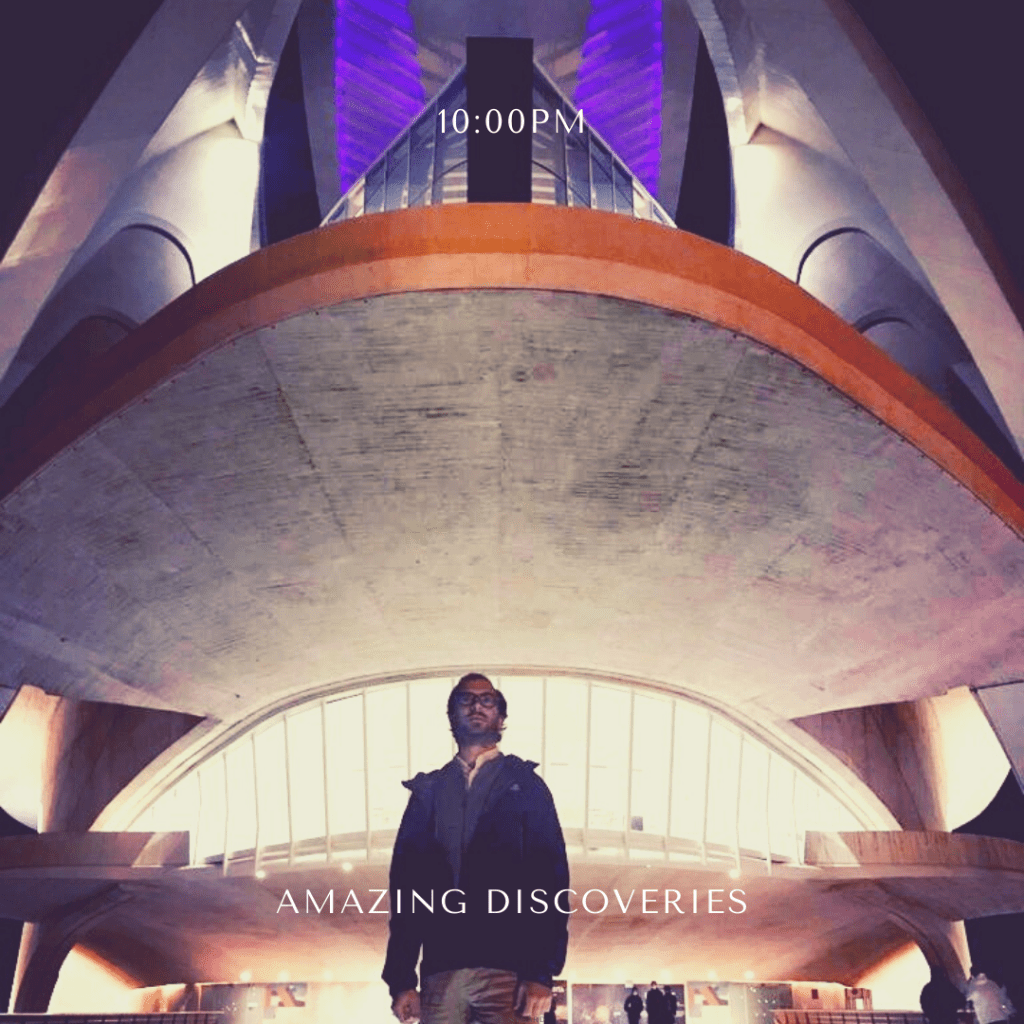
Ana reread the passage from the book she had just finished. « Our brain tends to increase the perception of duration according to the importance given to the event. In other words, the more the brain is involved in processing stimuli, the longer the time of the stimulus*. »
But how could she play with her brain to speed up time in her daily life?
She jumped off the couch, took her notebook, and scribbled nervously on a page :
Steps to accelerate time
1. Change of environment,
2. Chain short cycles,
3. Being multi-tasked,
4. Multiply interactions.

* CHARDIN Gabriel, Le temps un éternel recommencement ? Dunod, 2018, p. 56.


 Daniel Presles